

The Future of Aerial Imaging and How Helicopters are Missing Out
In the realm of aerial photography, technological advancements have brought about significant changes. Once dominated by helicopters, the industry is now experiencing a paradigm shift thanks to the advent of drones. This blog explores how drone photography is revolutionising the field and why helicopters are missing out on this transformation.
The Rise of Drone Photography
Drones, or unmanned aerial vehicles (UAVs), have quickly gained popularity for their ability to capture high-quality aerial images and videos. Equipped with advanced stabilisation technology and high-resolution cameras, drones offer unparalleled versatility and accessibility.


Advantages of Drone Photography Over Helicopters
Cost Efficiency: Drones are significantly cheaper to operate than helicopters. They require no fuel, have lower maintenance costs, and can be deployed quickly and easily, making them an economical choice for many projects.
Accessibility and Versatility: Drones can reach places helicopters can’t. They can fly lower and navigate through tight spaces, providing unique angles and perspectives that were previously unattainable.
Safety: Operating drones eliminates the risk associated with manned flights. There’s no need to worry about pilot safety, which is a significant consideration in hazardous environments or during extreme weather conditions.
Environmental Impact: Drones produce less noise and have a smaller carbon footprint compared to helicopters. This makes them a more eco-friendly option, particularly in sensitive natural areas.
High-Resolution Imaging: Modern drones are equipped with cutting-edge cameras that offer high-resolution imaging and video capabilities. This technology allows for stunning, detailed aerial shots that rival those taken by traditional helicopters.

Industries Embracing Drone Photography
Real Estate: Real estate agents use drone footage to create immersive virtual tours, showcasing properties in a way that traditional photography can’t match.
Film and Media: Drones are now a staple in the film industry, providing dynamic shots and aerial views that enhance storytelling.
Environmental Research: Researchers use drones for wildlife monitoring and environmental surveys, benefiting from the ability to capture data without disturbing the ecosystem.
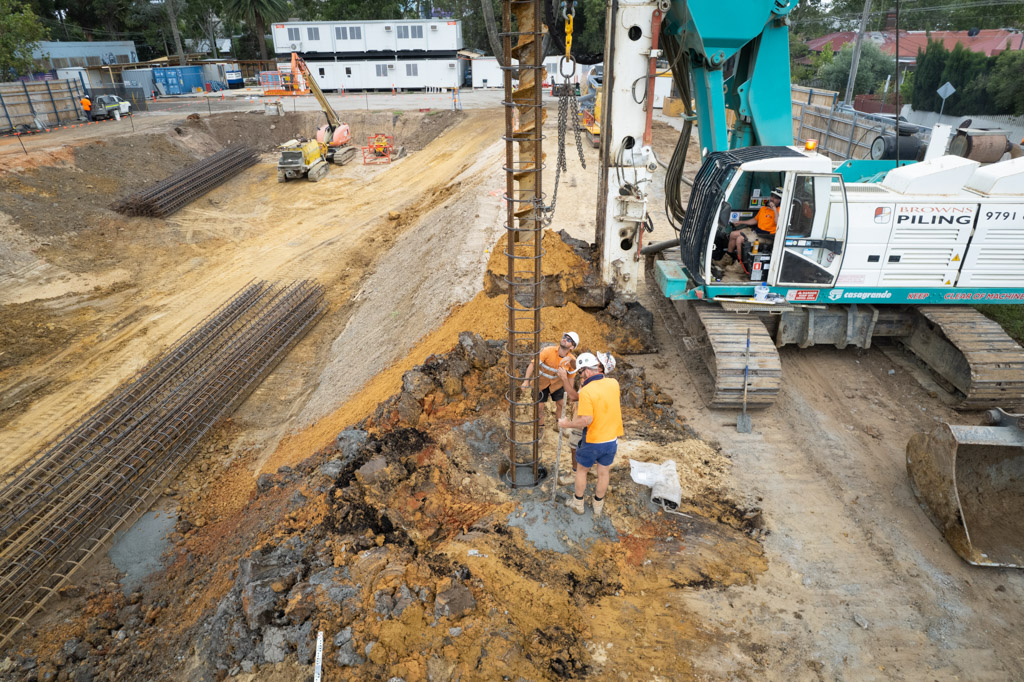
Construction and Infrastructure: Drones assist in site surveys, progress monitoring, and inspections, offering a safer and more efficient alternative to manned flights.

Why Helicopters Are Missing Out
While helicopters have long been the go-to for aerial photography, they are now being overshadowed by the capabilities and advantages of drones. The higher operational costs, greater environmental impact, and limitations in manoeuvrability make helicopters less appealing in the current technological landscape.


Conclusion
Drone photography is not just a trend; it’s the future of aerial imaging. As drones continue to advance, they are opening up new possibilities and perspectives, making it clear that helicopters are missing out. By embracing drone technology, industries can achieve greater efficiency, safety, and creativity in their aerial endeavours.

Blog archive

Haar’s Nursery
Haar’s Nursery, known for its extensive range of plants and commitment to quality, is a key player in the nursery industry, providing both retail and wholesale plants. The glasshouse, filled with colourful and varied plants, was a stunning sight. As a photographer, it...

Subsea 7
Working with Subsea7 Australia on the West Barracouta gas project in Bass Strait presented unique challenges and opportunities as a digital content creator, in video and photography. The project, part of ExxonMobil's continued investment in the Gippsland Basin,...